

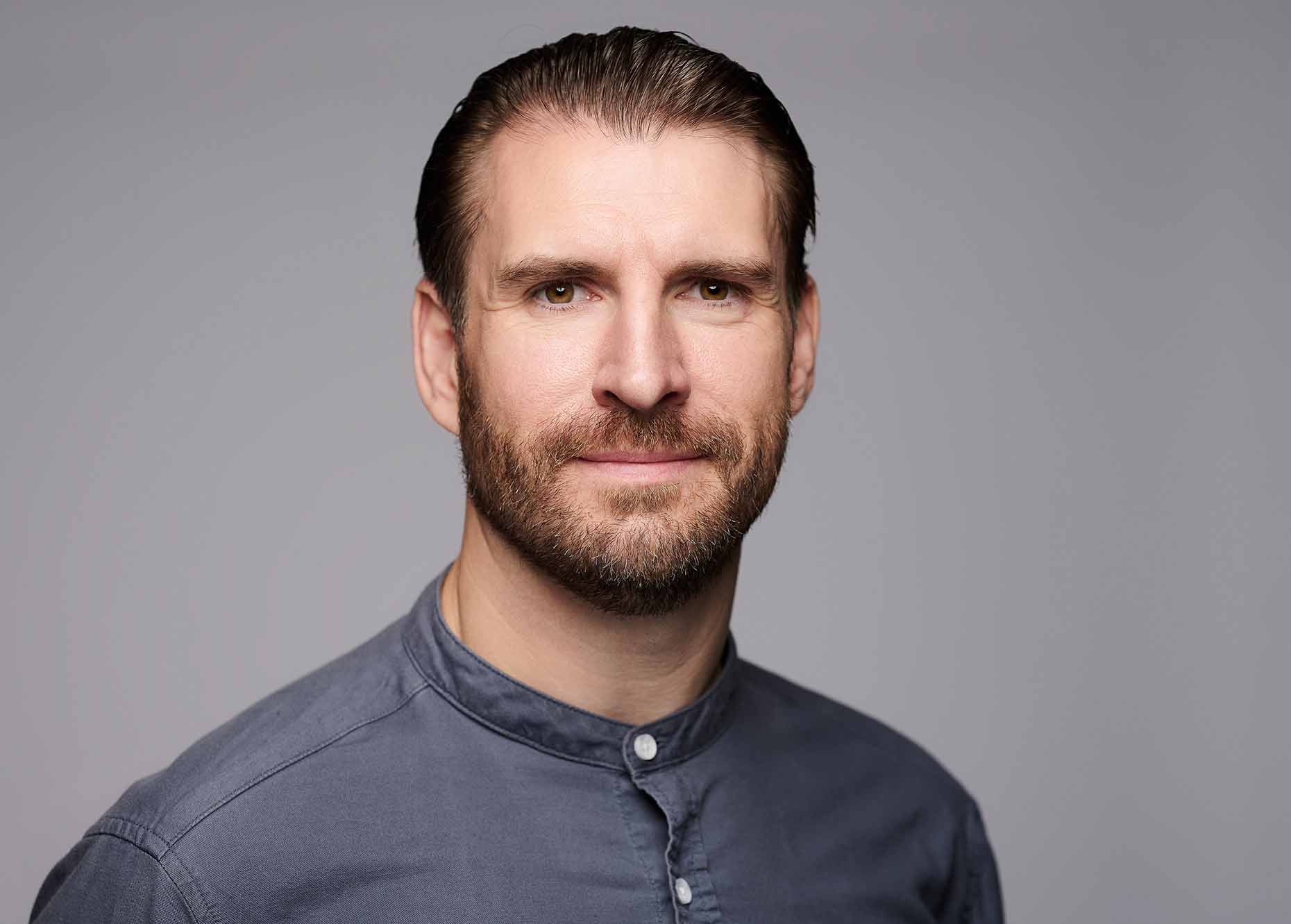
About Paul Foulds
I’m an engineer turned maths teacher turned economist.
During the Great Recession of 2008, I had a thought that has never really gone away: what if the purpose of the economy were not simply to maximise growth, but to maximise real freedom?
Not abstract freedom. Not freedom as a slogan. The practical ability to live and work as you choose, and walk away from bad situations.
Since then, I have been developing an economic framework called Autonomy-Centred Economics, or ACE.
My Background
I began my career as a mechanical building services engineer, designing systems such as HVAC, hot and cold water, and energy solutions for a variety of buildings. For over a decade, I worked on practical engineering challenges where efficiency and sustainability weren’t just concepts, but necessities.
Later, I transitioned into education, spending several years as a maths teacher. That experience shaped how I now approach economics: with a focus on clarity, accessibility, and empowering people to understand complex systems.
Awards and Recognition
Innovation and problem-solving have always driven my work. Along the way, I’ve been fortunate to receive recognition for my ideas:
- SoPHE Young Engineer Award (2013): Awarded for designing a system to convert human urine into fertiliser. As part of the prize, I worked with WaterAid in Tanzania to assess its implementation in real-world conditions.
- Open University Innovation Award (2018): Recognised for creating an energy-efficient clothes dryer designed to reduce household energy demand.
Academic Journey
My formal education reflects a commitment to both technical problem-solving and the big-picture questions of society:
- BEng (Hons) in Mechanical Engineering at the University of Reading
- MSc in Sustainable Energy Technologies at the University of Southampton
- BSc (Hons) in Economics and Mathematical Sciences at the Open University
This unusual combination of disciplines – engineering, sustainability, and economics – gives me a perspective that crosses boundaries.
My Mission
I’m not affiliated with a university or think tank, which means my work is independent and unbound by institutional fashions. My aim is simple: to develop and share practical, humane economic ideas that empower individuals, strengthen communities, and reorient prosperity around autonomy rather than dependence.
Through research, public lectures, and accessible tools, I want to make economics something that everyone can engage with – because the economy is not an abstract machine; it’s the network of relationships we all live inside.